UKR
UKR
Articles, Technologies and Water Quality
Limescale: Where It Comes From, Why It’s Harmful, and How to Stop Fighting It
Apr
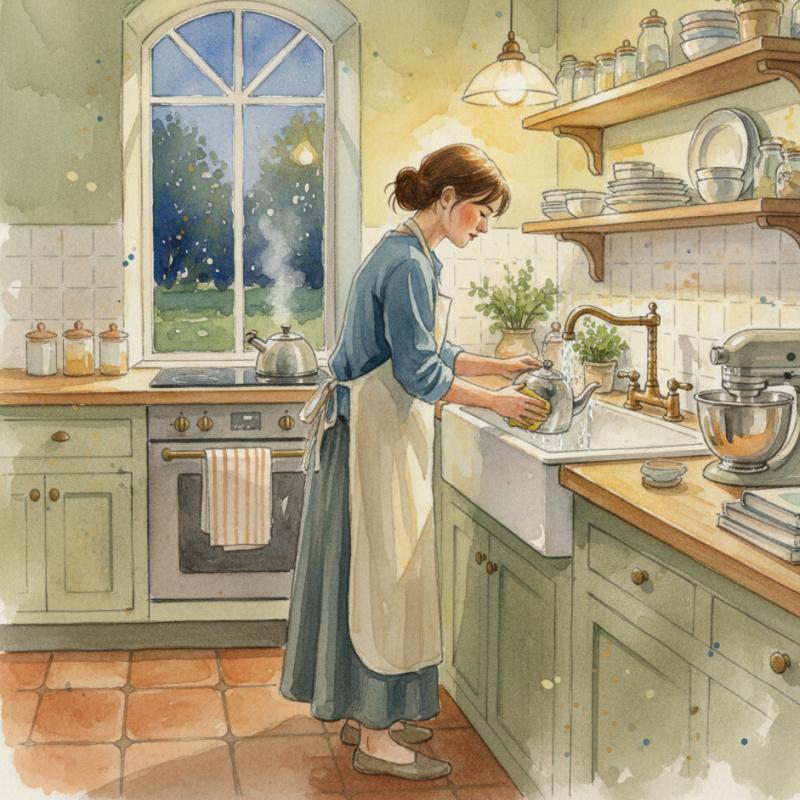
You pour boiling water into your favorite tea mug, and suddenly — there they are. White flakes floating brazenly on the surface. The romance of the moment is ruined. You glance into the kettle and see a matte “coat” on the bottom and walls. Sound familiar? Limescale is perhaps the quietest and most annoying neighbor in every Odesa kitchen. It doesn’t shout, doesn’t smell (at first), but it methodically ruins appliances, beverage taste, and your mood. Let’s figure out what this beast is, why it appears, and most importantly, how to deal with it without turning kettle cleaning into a weekly ritual.
Chemistry Made Simple: What Limescale Is and Where It Comes From
Imagine water as a crowded bus during rush hour. Dissolved calcium and magnesium salts are in it — they are responsible for water hardness. While the water is cold, these salts behave decently: they sit quietly, bothering no one. But as soon as you turn on the heat, a chemical “party” begins: calcium and magnesium bicarbonates break down, turning into insoluble calcium carbonate. Simply put — the very white sediment that settles on kettle walls and heating elements.
An interesting detail: boiling does not destroy hardness salts; on the contrary, it turns them into a visible form. So the advice to “boil water to make it better” is like fighting fire with gasoline. The problem doesn’t disappear; it just becomes more noticeable.
Why Limescale Is a Frequent Guest in Odesa
Odesa’s water from the Dniester River, after treatment at the “Dniester” station, meets sanitary standards, but its hardness remains moderate — about 3.8 mg-eq/L. This is enough for a characteristic whitish deposit to appear on the bottom of the kettle after just a few boils. By the way, hard water affects more than just appliances: if you’ve noticed your skin becoming drier after showering or your hair losing its shine, we recommend checking out our article “Tap Water vs. Skin and Hair: Debunking the Myths”.
The Hidden Cost of Limescale: How It Hits Your Wallet
Many people consider limescale a cosmetic issue. Just a bit of residue — wipe it with a sponge and forget about it, right? But in reality, limescale is a silent killer of household appliances. Here’s how it works.
1. The Kettle. A layer of limescale on the heating element acts as thermal insulation. Water heats more slowly, and the heating element overheats. The result: you pay more for electricity and risk one day hearing a loud “Psh-sh-sh” and being left without a kettle. Estimates show that even a millimeter of limescale increases a kettle’s energy consumption by 10–15%. Over a year, that adds up to a tidy sum.
2. The Coffee Machine. Here, limescale reveals its treacherous talent in full force. Narrow channels, the pump, pressure sensors — all are highly sensitive to deposits. Clogged tubes reduce pressure, water flows more slowly, and coffee becomes over-extracted, bitter, and flat. And then comes the repair. The cost for a home coffee machine can range from 1500 to 5000 UAH. And that’s if you’re lucky and don’t have to replace the entire system.
3. The Iron and Boiler. We think of them less often, but they suffer no less. Limescale clogs the iron’s steam holes and settles on the boiler walls, reducing its efficiency and accelerating corrosion.
Why Simply Cleaning the Kettle with Citric Acid Is a Vicious Circle
Yes, citric acid, vinegar, and special descaling agents are necessary. They dissolve calcium carbonate and restore the kettle’s pristine appearance. But let’s be honest: this is fighting the symptom, not the disease. You pour the same hard tap water into a clean kettle — and a week or two later, limescale is back. It’s like endlessly cleaning a house with five cats and a broken vacuum cleaner: you can clean every day, or you can find the cause of the mess.
The cause of limescale is the composition of the water. And until you change it, the war will be eternal.
Two Paths to Clean Appliances and Tasty Beverages
So we’ve come to the main point: how to stop being a hostage to limescale. There are two sensible paths, each with its own nuances.
Path one: Filter the water. Pitchers with cartridges or under-sink systems. They do reduce hardness and remove some impurities. Pros: the water becomes noticeably softer, and there’s less limescale. Cons: cartridges need timely replacement (otherwise the filter becomes a breeding ground for bacteria), and a good system isn’t cheap and requires installation. For coffee machines, by the way, even filtered water may not be enough — manufacturers recommend using specially prepared water with a known mineralization level.
Path two: Use ready-made purified water. This is an option for those who value their time and don’t want to bother with filter replacements. The water undergoes industrial multi-stage purification (reverse osmosis, carbon filters, ultraviolet light) and has consistently low hardness at the output. No surprises, no limescale. This is exactly the kind of water produced and delivered by the “Cascade” company — you can read more about our purification process in the article “All about the Cascade water treatment process”. Bonus: the kettle stays clean for months, coffee reveals its full flavor, and citric acid can finally be used only for baking.
So What to Choose?
If you like to be in full control and are ready to monitor filter condition — path one is for you. If you just want to press the “order” button and forget about limescale like a bad dream — welcome to path two.
Limescale is not a death sentence for your appliances; it’s a reason to think about the water you use every day. Stop fighting the consequences and start addressing the cause. The “Cascade” company will deliver clean, soft water right to your door. Order delivery — and let your kettle finally rest from citric acid, and you from white flakes in your morning tea.