UKR
UKR
Ecology and Sustainable Development
Cooler Care: How to Keep It Odor-Free, Leak-Free, and Dispensing Only Clean Water
May
A water cooler is a brilliant invention. Press a button — and there’s boiling water for tea, or cool water on a hot day. But there’s a catch: the cooler doesn’t maintain itself. That “set it and forget it” attitude eventually backfires with an unpleasant smell, a strange aftertaste in the water, and sometimes a puddle on the floor and green residue around the taps. The good news? Taking care of a cooler doesn’t require an engineering degree or hours of meditating with a screwdriver. Just a bit of regularity and a few simple rules, which we’re happy to share right now.
What to Do and How Often: A Basic Care Schedule
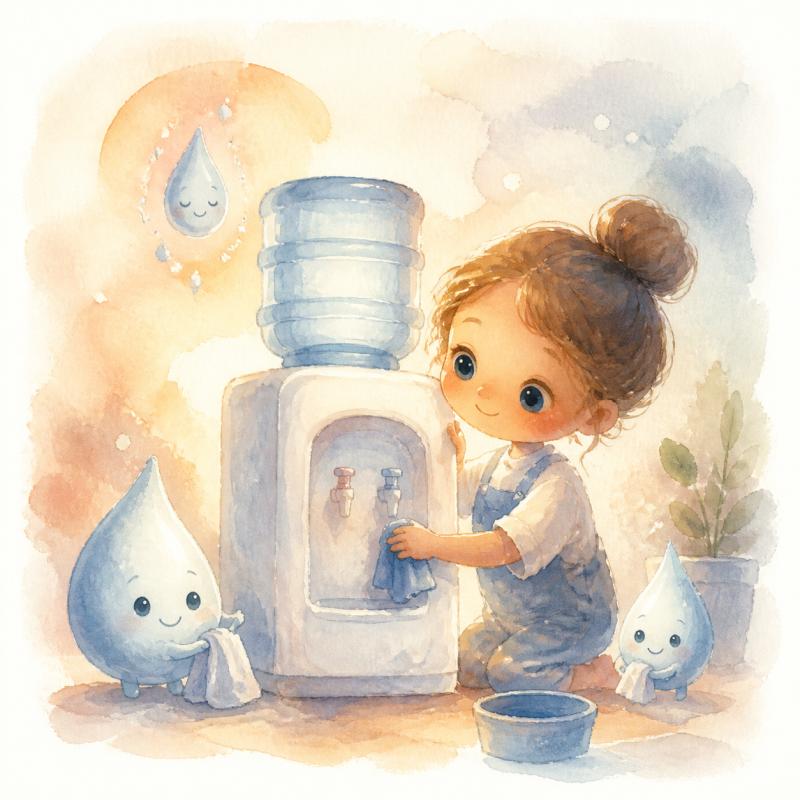
To keep your cooler hygienic and running like clockwork, break the care into three levels. The first is regular external cleaning: the body, buttons, and taps. Simply wipe them with a damp cloth every couple of days, or as soon as they look dirty. The second level is the drip tray: it collects water droplets, and bacteria love that moist environment. Clean it at least once a week. The third, most important level is a deep sanitary treatment of the entire internal water path. Ideally, do this once every three months — and in high-traffic offices, even more often.
By the way, if you’re still deciding which cooler to get — for home or for the office — check out our recent guides: “How to Choose a Water Cooler for Home: A Practical Guide” and “How to Choose a Water Cooler for the Office”. Now, back to cleanliness.
Cooler Deep Clean: A Step-by-Step Plan
Schedule the deep clean for a weekend morning when you won’t need the cooler for a couple of hours. The routine is simple:
- Unplug the cooler. Safety first. If it’s a compressor model, let it rest for 10–15 minutes before washing.
- Remove the bottle. Empty or full, it doesn’t matter. The key is to avoid getting water on any electrical contacts.
- Drain the remaining water from the hot and cold taps to make your job easier.
- Wash the external surfaces. Use a soft sponge and soapy water on the body, buttons, and the area around the taps. No abrasives — they scratch the plastic and create tiny crevices where grime hides.
- Remove and wash the drip tray. In most models, it pops off in seconds. Warm water, a couple of drops of dish soap — and no trace of residue.
- Pay attention to the taps. If the design allows, remove them or at least gently clean the nozzles that fingers frequently touch. Stubborn buildup can be soaked in a vinegar solution and then rinsed thoroughly.
- Sanitize the bottle seat and the internal reservoir. You can use special sanitizers or a mild citric acid solution. The key rule: after any treatment, flush the system with 2–3 liters of clean water to remove all residues.
- Reassemble the cooler, install a fresh bottle, and dispense a glass of water from each tap before use.
If this whole procedure seems like too much hassle, remember: the water in your cooler flows through the very same tubes and taps you touch every day. Cleanliness here isn’t about aesthetics; it’s about health. Speaking of water quality: at Cascade, we purify our water thoroughly before delivery — the process details are in our article “All about the Cascade water treatment process”.
Care Tips for Different Cooler Types
Compressor models (the ones that get your water genuinely cold) need a bit more attention. They need to breathe: don’t push the cooler flush against the wall; leave a gap of at least 10–15 centimeters. Every six months or so, vacuum the ventilation grille at the back — this extends the life of the compressor. Thermoelectric coolers are simpler: they’re almost silent and compact, but their cooling system also dislikes dust. Wipe down the body and keep the vents clear, and everything will be fine.
If you have a bottom-loading cooler, also check the condition of the water supply tube and the spot where it connects to the bottle. Condensation can build up there, followed by residue.
Red Flags: When to Clean Off-Schedule
A regular schedule is great, but sometimes the cooler sends its own SOS signals. If the water suddenly smells swampy, develops a metallic or musty taste, if you notice a slimy film around the taps or suspicious sludge in the drip tray, don’t wait for the quarterly mark. Unplug, dismantle, and wash. In an office where dozens of hands touch the same tap, such symptoms can appear just a month after the previous cleaning. It’s better to be safe than to wonder why your colleagues have switched to tea bags and grimace while pouring water.
Cooler After a Vacation or Long Period of Disuse
Back from vacation, and the cooler has been idle for three weeks? Run a couple of liters of water from each tap to flush the stagnant system. If condensation or a moist deposit has formed inside, do a quick disinfection. This is especially important for dachas and country houses where the cooler might wait for you for months. And of course, before starting it up, make sure the water in the bottle hasn’t lost its freshness — we’ve written about proper storage here: “How to properly store drinking water”.
Home vs. Office: The Difference in Care
A home cooler is usually treated gently: a couple of people, clean hands, predictable usage. An office cooler is an entirely different story. A stream of employees, guests, couriers — everyone touches the taps, someone will inevitably spill coffee into the drip tray, and someone will rinse a mug right over the grille. That’s why an office cooler needs more frequent and stricter care: wash the drip tray every couple of days, do external disinfection once a month, deep-clean every 2–3 months, and even more often for very busy spots. This isn’t a whim; it’s an investment in your team’s health and your company’s reputation. For other office-related nuances, read our article “Cascade Water Delivery for Offices: 5 Undeniable Benefits”.
What to Clean With: Do’s and Don’ts
The golden rule: no aggressive solvents, no abrasive pastes, no hard scouring pads. All you need is a soft cloth, soapy water, vinegar or citric acid for descaling, and a special disinfectant for internal treatment. A mild baking soda solution also works. The key is that after using any product, you must thoroughly flush the system with clean water so that no off-flavor or odor ruins your next cup of tea.
A well-maintained cooler is the invisible hero of your kitchen or office. It doesn’t smell, doesn’t gurgle aimlessly, doesn’t leak, and silently delivers great-tasting water any time of day. And to ensure the water inside is always impeccable, order delivery from Cascade: we’ll bring you clean, soft water with no chlorine smell and no excess minerals. Browse our full range of coolers and care accessories in the Cascade cooler catalog. Take care of your cooler — and it will reward you with freshness and a long service life.